 English
 简体中文
简体中文
Views: 0 Author: Site Editor Publish Time: 2026-01-23 Origin: Site


A sewage pump is a device used to move wastewater containing solid waste from lower elevations in a home to higher levels where it can flow into a main sewer line or septic tank. These pumps are essential for homes that face unique plumbing challenges, particularly those with basements or locations below the main sewer line. Sewage pumps are critical for preventing sewage backups, clogs, and flooding by ensuring that wastewater moves efficiently through the plumbing system.
While not all homes require a sewage pump, certain factors such as the house’s elevation, plumbing layout, and waste management system can make a sewage pump a necessary addition. In this article, we will explore why a house would have a sewage pump, the types of pumps available for residential use, and the key factors to consider when selecting and maintaining a sewage pump.
There are several common reasons why a residential property may require a sewage pump. These reasons primarily stem from plumbing challenges that could lead to improper wastewater flow or flooding. Let's explore the specific situations where a sewage pump would be necessary.
One of the most common reasons homes require sewage pumps is when they have basements or lower levels that are situated below the level of the main sewer line. In such cases, gravity alone cannot carry wastewater to the main sewer system, so a sewage pump is needed to lift the wastewater upward and push it into the drain.
Gravity Flow Issues: When the house's lowest levels are below the sewer system, gravity cannot carry wastewater upward.
Risk of Backup and Flooding: Without a sewage pump, wastewater may back up into the basement or lower levels, causing potential flooding, odors, and health risks.
By installing a sewage pump, homeowners can ensure that wastewater is efficiently transported out of the basement and into the municipal sewer system or septic tank.
Homes with septic systems may also require sewage pumps. A septic system relies on gravity to move waste from the home to the septic tank. However, if the house is at a higher elevation than the septic tank, the wastewater will naturally flow downward, but this can create problems in certain scenarios.
Lifting Waste to the Septic Tank: If the septic tank is located further from the house or at a lower elevation, a sewage pump can help lift the wastewater to the tank.
Preventing Overflows: A pump is also useful for preventing septic system backups when the tank is full or during heavy use, such as after showers or laundry loads.
Installing a sewage pump in homes with septic systems ensures proper functioning and helps homeowners avoid costly repairs due to overflows or improper waste disposal.
Another common reason for installing a sewage pump is related to the home's elevation in comparison to the main sewer line. If a home is situated at a lower elevation than the municipal sewer line, gravity will not help wastewater flow upward into the main sewer system. In these cases, a sewage pump is necessary to move the wastewater into the municipal sewer system.
Low-Lying Areas: Homes located in areas with low natural elevation or on a hillside may face this issue.
Wastewater Management: A sewage pump lifts the wastewater to a higher point, allowing it to flow into the sewer line without any manual intervention.
A sewage pump ensures that wastewater is consistently moved out of the house and into the municipal infrastructure, preventing potential sewage backups and maintaining proper hygiene.
When selecting a sewage pump, it’s important to understand the various types of pumps available for residential use. Each type has unique features and applications depending on the home's needs. Let's review the main types of sewage pumps that homeowners may consider.
Submersible sewage pumps are one of the most popular choices for residential applications. These pumps are designed to be submerged in the wastewater they pump, making them ideal for use in basements and other lower-level areas where space is limited.
Quiet Operation: Because the pump is submerged in the wastewater, it operates more quietly than other types of pumps.
Space-Efficient: These pumps don’t require much space above the ground, which is ideal for homes with limited room.
Energy Efficiency: Submersible pumps are energy-efficient since the surrounding wastewater helps cool the motor, reducing the overall energy consumption.
Homes with basements
Residential properties where the wastewater needs to be lifted to a higher level
Homes with compact plumbing setups
Non-submersible pumps are located above the wastewater level. These pumps are typically used in larger applications or homes where the wastewater needs to be pumped long distances. The motor is located outside the wastewater tank, and the pump uses a shaft to move wastewater.
Ease of Maintenance: Since the motor is not submerged in wastewater, non-submersible pumps are easier to maintain and repair.
Longer Lifespan: Non-submersible pumps are often built to handle larger volumes of waste, making them suitable for homes with higher wastewater output.
Powerful Motors: These pumps often come with powerful motors capable of pumping wastewater over longer distances.
Larger homes or multi-level residential properties
Properties that require wastewater to be moved over long distances
Homes with extensive plumbing systems
Grinder pumps are designed to handle large amounts of solid waste. These pumps have cutting blades that shred the waste into smaller particles before it is pumped away. Grinder pumps are commonly used in homes with high solid waste loads, such as those with multiple bathrooms or where waste from a garbage disposal system is included in the wastewater.
Prevents Clogs: The cutting blades break down solid materials, reducing the risk of clogs in the plumbing system.
Handles Larger Debris: Ideal for homes with large waste loads, including paper towels, grease, and non-dissolvable waste.
Efficient for High-Volume Waste: Suitable for homes with frequent high-water usage, such as large families.
Homes with high wastewater volumes
Properties using garbage disposals
Homes that need to handle a lot of solid waste
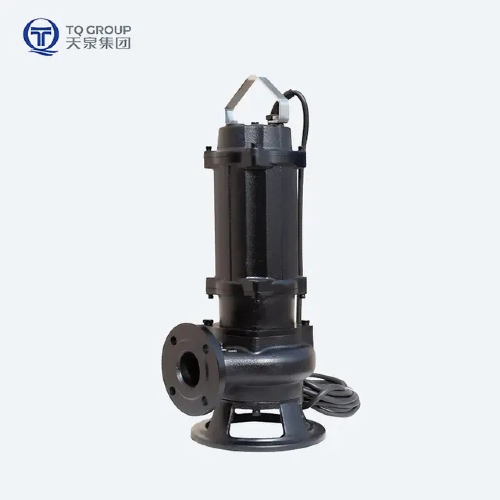
There are several key benefits associated with having a sewage pump in your home, particularly if your property faces any of the challenges discussed earlier. Below are some of the most significant advantages:
One of the biggest issues with household plumbing systems is blockages caused by solid waste or debris. Sewage pumps are designed to break down larger debris and prevent it from clogging the system. By shredding or grinding solids, these pumps reduce the chances of backups and costly repairs.
Sewage pumps ensure that wastewater flows smoothly from your home to the septic tank or sewer system, even when gravity alone cannot accomplish this task. This is especially important for homes that are below the level of the main sewer line or septic system.
Basements are particularly vulnerable to sewage backups due to their low elevation in many homes. A sewage pump provides an essential safety net, preventing sewage from backing up into the basement and causing damage. This can save homeowners from expensive repairs and maintain a clean, sanitary living space.
When selecting a sewage pump for your home, several factors need to be considered to ensure that you choose the best pump for your specific needs. Here are the key elements to consider when making your selection.
The flow rate is a critical factor in determining the size and power of the sewage pump. This refers to the amount of wastewater the pump can handle in a given time, typically measured in gallons per minute (GPM). To choose the right pump, assess the volume of wastewater your household produces, including peak usage times.
Factor | Considerations |
Flow Rate | Determine the volume of wastewater produced daily. |
Head Height | Measure the vertical distance wastewater must be pumped. |
Capacity | Ensure the pump can handle the waste volume for your household. |
The elevation of your property relative to the sewer system or septic tank plays a significant role in determining the type of sewage pump needed. Homes with lower elevations or complex plumbing layouts will require a more powerful pump to ensure smooth wastewater movement.
Choose a pump made from durable materials such as stainless steel or cast iron for longevity. The type of material used affects the pump’s resistance to corrosion and wear, which is particularly important for sewage pumps that handle harsh waste materials.
Proper maintenance is essential to keep your sewage pump functioning efficiently for years to come. Regular checks and cleaning will ensure that the pump doesn’t become clogged or damaged over time.
Cleaning: Regularly clean the intake and discharge valves to remove debris and prevent clogging.
Inspection: Inspect the motor and other components for signs of wear, corrosion, or damage.
Lubrication: Ensure moving parts are lubricated to minimize friction and extend pump life.
Clogs: Check for debris buildup in the intake valve or impeller and clear it if necessary.
Power Failures: Verify electrical connections and the power supply to the pump.
Mechanical Failures: If the motor or other internal components fail, professional repair or replacement may be needed.
Sewage pumps are essential for homes dealing with plumbing challenges such as low elevation, basement drainage, or septic system support. At TQPUMPS, we understand the importance of selecting the right sewage pump to ensure efficient wastewater management and prevent issues like flooding or system backups. By familiarizing yourself with the different types of sewage pumps and their benefits, you can make informed choices that best suit your home’s needs.
Regular maintenance and prompt troubleshooting are key to ensuring that your sewage pump operates smoothly and efficiently over time, avoiding costly repairs and keeping your plumbing system in top shape. At TQPUMPS, we offer a wide range of reliable sewage pumps designed for both residential and commercial use. Our expert team is here to help you select the ideal pump and provide ongoing support to ensure its long-lasting performance. Feel free to contact us for more information or guidance on the best sewage pump solutions for your home. We’re committed to delivering high-quality products and exceptional service.
What is the primary function of a sewage pump in a house?
Sewage pumps are used to move wastewater from lower levels in a home to higher points, where it can be directed to the septic tank or municipal sewer system.
How do I know if my house needs a sewage pump?
If your home has a basement or lower levels that are situated below the main sewer line, or if you have a septic system, you likely need a sewage pump.
How often should I maintain my sewage pump?
Sewage pumps should be inspected and cleaned at least once a year. Additional checks should be performed during heavy rainfall or peak usage periods.
Can I repair my sewage pump if it stops working?
Yes, most common issues such as clogs, motor failure, or power supply issues can be fixed by cleaning the pump or replacing worn-out parts.


