 English
 简体中文
简体中文
Views: 0 Author: Site Editor Publish Time: 2026-01-30 Origin: Site


Sewage pumps are essential components of any wastewater management system. They are specifically designed to move wastewater containing solids and debris, typically from lower levels of a building to the municipal sewer system or septic tank. While sewage pumps are built to handle such waste efficiently, one question frequently arises—how far can a sewage pump push water horizontally?
Understanding how far a sewage pump can move water horizontally is important for properly designing a sewage system. The ability to move water effectively across horizontal distances can help homeowners and businesses choose the correct pump and system design. In this article, we’ll explore the various factors that influence the horizontal distance a sewage pump can push water, including pump power, pipe size, and system design.
A sewage pump is a mechanical device used to transport wastewater and solid waste. Unlike regular water pumps that handle clean water, sewage pumps are designed to move waste that contains not just liquid but also solids like toilet paper, food scraps, and other debris. These pumps are typically used in homes with basements or below-ground-level bathrooms, where gravity alone cannot ensure the wastewater flows to the main sewer system.
Impeller: The key component of a sewage pump, the impeller, creates a centrifugal force that pushes the wastewater through the system.
Motor: The motor powers the impeller, and depending on the pump design, the motor may be submerged or located outside the pump casing.
Pump Design: The pump’s design ensures that solids do not clog the system, which is especially important in areas where large particles may need to be moved.
Sewage pumps are designed to move water not just vertically but also horizontally. The ability to push water horizontally is crucial in larger homes, industrial setups, or municipal sewage systems, where the pump may need to push wastewater to the farthest reaches of the plumbing network. Understanding the limits of a sewage pump’s horizontal push capability helps prevent the system from becoming overburdened or inefficient.
Sewage pumps are specifically designed to move wastewater and solid waste from one point to another, typically to a septic tank or municipal sewer system. They are equipped to handle a wide variety of waste types, including liquids and solids, and they are built to overcome the challenges of moving wastewater over long distances.
To understand how far a sewage pump can push water horizontally, it’s important to consider the system’s components. A sewage pump’s ability to push water horizontally is influenced by several key factors, including:
Motor Power: The strength of the pump’s motor determines how much pressure the pump can exert on the water.
Pipe Diameter: The size of the pipe affects the flow of water and how easily it can be moved horizontally.
Head Height: The vertical distance the pump needs to lift water can impact its horizontal push capabilities.
Pump Design: The type of sewage pump (submersible, non-submersible, or grinder) will affect its overall capacity to handle horizontal push.
Several factors affect how far a sewage pump can move water horizontally. These include:
Pump Power: The stronger the motor, the more efficiently the pump can push water horizontally.
Pipe Size: Larger pipes offer less resistance to water flow, allowing the sewage pump to move water more effectively across longer distances.
Pipe Material: The material of the pipes can affect friction. Smooth pipes, such as those made from PVC, allow for easier movement of water compared to rougher materials.
System Pressure: The pressure at which water flows through the system also impacts horizontal push. Higher pressure means water can travel further horizontally.
Friction Losses: As water moves through pipes, friction between the water and the pipe surface causes energy losses, which can reduce the horizontal distance the pump can push water.
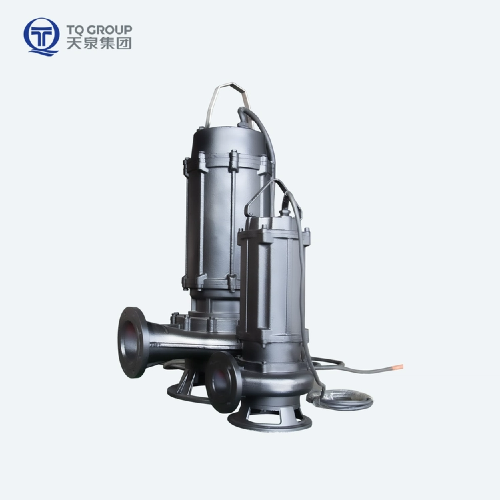
The power of the sewage pump is one of the primary factors determining how far it can push water horizontally. The motor’s horsepower determines the amount of force that can be exerted on the water to move it through the system.
Flow Rate: The flow rate of a sewage pump, typically measured in gallons per minute (GPM), determines how much water the pump can handle in a given time. A higher flow rate can allow for longer horizontal distances.
Head Height: While vertical lift (head height) is important, it can also influence the horizontal push. A higher head height requires more power, which can limit the amount of water that can be pushed horizontally.
Motor Size: Larger motors are typically better at moving wastewater horizontally, as they provide more power to overcome friction and other resistances in the system.
Pipe size is another critical factor that directly impacts horizontal push distance. The larger the diameter of the pipe, the easier it is for water to move through it. Smaller pipes increase resistance, slowing down the movement of water and limiting horizontal push.
Pipe Size | Effect on Horizontal Push |
Larger Diameter (e.g., 4 inches) | Reduces friction and allows water to flow more freely, enabling the pump to push water over longer distances. |
Smaller Diameter (e.g., 2 inches) | Increases friction, restricting the horizontal push distance of the pump. |
Materials used for pipes also play an important role. Smooth pipes made from materials like PVC or HDPE reduce friction, making it easier for the pump to push water horizontally. In contrast, rougher materials like cast iron or older pipes may create more resistance, reducing the distance the pump can push water.
As water moves through pipes, friction between the water and the surface of the pipe reduces the pump's efficiency. The longer the distance water has to travel horizontally, the greater the friction losses, which means the sewage pump must work harder to move the water.
Friction losses can be reduced by:
Using larger pipes with smoother surfaces.
Minimizing pipe bends or turns in the system, which can increase resistance.
Ensuring the pipe is as straight as possible to reduce energy loss.
In residential settings, sewage pumps typically push water horizontally up to 100–150 feet, depending on the pump’s size, motor power, and pipe system. This range is sufficient for most homes, especially those with basements or multi-level plumbing systems.
Standard Residential Pumps: Most residential sewage pumps can handle horizontal pushes of up to 100 feet under normal conditions.
High-Powered Residential Pumps: Larger pumps, such as those used in multi-story buildings or large homes, can push water up to 150 feet.
Commercial and industrial sewage pumps are much more powerful and designed to handle greater distances. These pumps are capable of pushing water horizontally over distances of 200 feet or more, depending on the setup.
Commercial Pumps: Designed for larger buildings or facilities, these pumps can push water across greater distances.
Municipal Pumps: Sewage pumps in municipal systems can handle extensive horizontal distances, often exceeding 200 feet, and may be used in complex infrastructure.
To maximize the horizontal push distance, it's crucial to use the right pipe size and ensure the pipes are installed with a slight slope. The proper slope helps wastewater flow naturally and reduces the strain on the pump.
Larger Pipes: Ensure that the pipes are wide enough to handle the volume of wastewater, particularly for larger systems.
Proper Slope: A slope of about 1/8 inch per foot is recommended to ensure smooth wastewater flow.
If your existing sewage pump cannot push water as far as needed, consider upgrading to a higher-powered pump with more horsepower or a larger impeller. Pumps with grinding mechanisms may also help in breaking down solids, reducing the load on the system.
Reducing friction losses is essential for maximizing horizontal push distance. Consider using smooth, high-quality pipes and reducing the number of bends or elbows in the pipe system. Regular maintenance, such as cleaning the pipes, also helps maintain smooth water flow.
A sewage pump that is underpowered or not designed for the size of your system will struggle with horizontal push. If the pump is too weak, it may fail to move water across long horizontal distances, causing backup or slower drainage.
Blockages in the pipes—whether caused by debris, grease buildup, or improper waste—can prevent the sewage pump from moving water effectively. Regular inspection and cleaning of the system are necessary to avoid clogs.
Improperly installed pumps or pipes, including incorrect slope or undersized pipes, can limit the horizontal reach of the system. Ensuring that your sewage system is installed correctly will maximize efficiency and reduce long-term maintenance costs.
Understanding how far a sewage pump can push water horizontally is crucial for designing an effective waste management system. The horizontal push distance depends on several factors, including pump power, pipe size, material, and friction losses. Typically, for residential applications, a sewage pump can push water up to 100–150 feet. However, more powerful pumps can handle much longer distances in commercial and industrial settings.
At TQPUMPS, we offer a range of high-performance sewage pumps designed to meet the needs of both residential and industrial waste management systems. Our expert team can help you select the right pump to maximize horizontal reach, ensuring your system operates efficiently and effectively. By choosing the appropriate pump and optimizing your system’s design, you can avoid costly repairs and improve overall performance.
For more information or assistance in choosing the right sewage pump, don’t hesitate to contact us. We are committed to providing reliable, durable, and efficient solutions for your wastewater management needs.
How far can a sewage pump typically push water horizontally?
Residential sewage pumps can generally push water horizontally up to 100–150 feet, depending on the system’s configuration.
What factors can increase the horizontal distance a sewage pump can push water?
Using larger pipes, minimizing friction losses, and upgrading to a more powerful pump can all help increase the horizontal push distance.
Can I increase the horizontal reach of my sewage pump by upgrading the motor?
Yes, upgrading to a more powerful motor can increase the horizontal push distance of your sewage pump, especially if the current pump is underpowered.
What should I do if my sewage pump can’t push water far enough?
Consider upgrading the pump to one with higher power, optimizing the pipe size and slope, and ensuring minimal friction losses in the system.


